When the kids are sharing rooms, the kitchen feels crowded and moving costs more than it should, a second storey extension Melbourne homeowners often consider starts to make real sense. You keep the suburb, the school zone and the block you already know, while gaining the space your family actually needs.
For many Melbourne homes, building up is the smarter option than building out. Inner and middle-ring suburbs often have limited yard space, tighter setbacks and blocks where every square metre matters. A second storey can create extra bedrooms, a parents’ retreat, a study or a second living area without giving away the backyard.
Why a second storey extension Melbourne families choose can be a better move
The biggest benefit is simple – more room without leaving your neighbourhood. If you love your street, your local shops and the routines you’ve built around school and work, staying put has real value.
There is also the financial side. Moving comes with stamp duty, agent fees, legal costs and the risk of paying more for a home that still needs work. An extension can be a more practical long-term investment, especially when the existing home has a good footprint and the land value is strong.
That said, it depends on the house. Some homes are excellent candidates for a second level. Others need significant structural work downstairs before adding weight above. A good builder will tell you that early, not halfway through the job.
Is your home suitable for a second storey extension?
Not every property should go up. The age of the home, the condition of the existing structure, the layout of the ground floor and local planning controls all shape what is possible.
Older weatherboard and brick veneer homes across Melbourne can often be extended upward, but the engineering requirements vary. Foundations may need checking. Load-bearing walls may need strengthening. Roof removal, staircase placement and ceiling heights downstairs can all affect the final design and budget.
Block constraints matter too. Overlooking rules, neighbourhood character policies and ResCode requirements can influence upper-floor window placement, setbacks and overall building envelope. In some areas, overlays add another layer of approval and design control.
This is where experience counts. A second storey project is not just a design exercise. It is a structural, regulatory and lifestyle decision, and each part needs to work together.
What do people usually add upstairs?
Most families use the upper level to separate private and shared living. Bedrooms and bathrooms are the most common inclusion, often with a master suite for parents and one or two bedrooms for children.
In other homes, the extra floor is used to create flexibility. A study, retreat or guest room can make the home work better now while still adding value later. Investors may focus on room count and bathroom access. Owner-occupiers usually think more about flow, natural light and everyday comfort.
The best result is rarely the biggest one. It is the layout that makes the home feel balanced. If all the bedrooms go upstairs but the bathroom arrangement is awkward, or the staircase cuts through the main living area, the house can feel compromised. Good planning matters more than adding square metres for the sake of it.
Design choices that affect comfort and value
A second storey should feel like part of the home, not an afterthought sitting on top of it. That starts with proportion. Roof form, cladding selection, window placement and how the new level meets the existing façade all influence street appeal.
Inside, the staircase is one of the most important decisions. It needs to sit naturally within the ground floor and allow easy movement without stealing too much usable space. This is one area where shortcuts can hurt both practicality and resale appeal.
Natural light is another key factor. A well-designed upper level can improve the whole home by bringing in more light, opening views and improving ventilation. But privacy still matters, especially in Melbourne suburbs with homes close together. The right design balances daylight, outlook and compliance.
Energy efficiency should also be part of the discussion from the start. Insulation, glazing, shading and orientation can make the new level more comfortable year-round and help control energy costs.
Permits, approvals and building rules
One reason homeowners delay a second storey extension is the approval process. That hesitation is understandable. There are planning rules, building regulations, engineering requirements and permit documentation to manage.
Whether you need a planning permit depends on your property and the proposed design. Some projects can proceed with building approval only, while others trigger council planning requirements due to overlays, setbacks, site coverage or neighbourhood character controls.
After that comes detailed documentation for building permits, engineering and construction. This is why working with a builder who understands Melbourne’s approval pathways can save time and stress. Clear advice early on helps avoid redesigns later.
The process is not always quick, and homeowners should be wary of anyone promising unrealistically fast approvals. A reliable path is usually better than a rushed one that creates delays after work has started.
How much does a second storey extension cost?
This is the question every homeowner asks, and rightly so. The honest answer is that cost varies widely depending on size, structural requirements, finishes, site access and how much of the existing house needs to be altered.
A straightforward addition over part of the home will generally cost less than a full-width second storey with major changes downstairs. Bathrooms, custom joinery, roof alterations and complex engineering all increase the budget. So does the need to upgrade existing parts of the home to bring everything together properly.
Access can also affect cost more than people expect. Tight suburban sites, limited room for scaffolding or difficult material handling can add labour time and complexity. Likewise, if the family plans to stay in the home during construction, staging the works may influence timing and budget.
The best approach is to set a realistic budget from the beginning and match the design to it. Cutting essential structural or waterproofing work is never where savings should come from. Value comes from smart design, practical material choices and quality construction that lasts.
Living through the build – what to expect
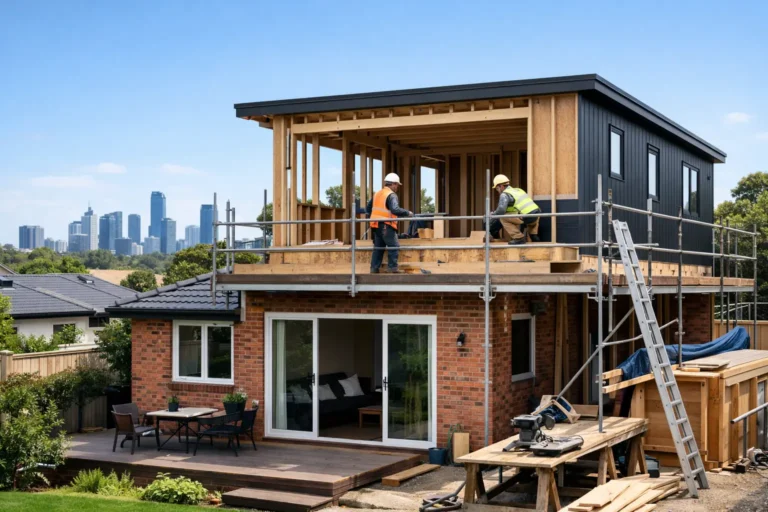
A second storey extension is a major project, and life will be disrupted for a period of time. There will be noise, trades on site and stages where parts of the home are less accessible or temporarily exposed.
Some families stay in the house for part of the build. Others move out, especially when roof removal, major internal changes or safety concerns make day-to-day living impractical. There is no single right choice. It depends on your layout, the scale of works and your tolerance for disruption.
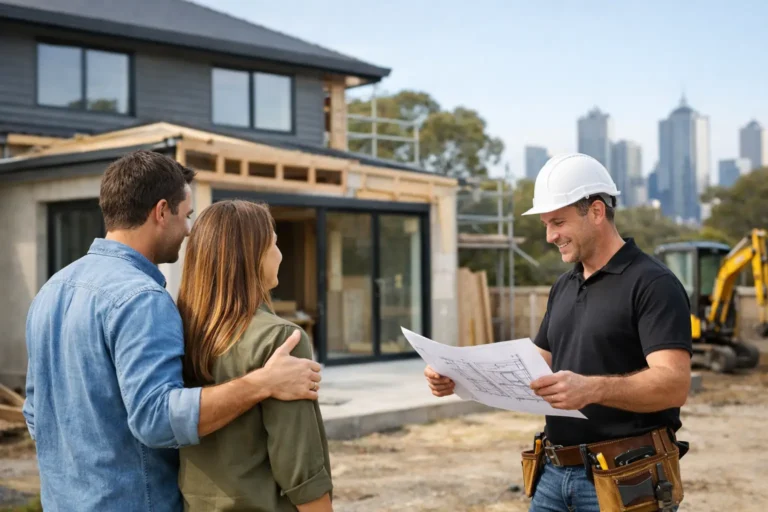
What matters most is clear communication. Homeowners want to know what happens next, when key stages are scheduled and how the site will be managed safely. A family-run builder with a practical approach often makes this process feel far less overwhelming because the focus stays on trust, planning and follow-through.
Choosing the right builder for the job
A second storey extension is different from a basic renovation. It requires structural experience, design coordination, permit knowledge and disciplined site management. You want a builder who can see the whole picture, not just the construction stage.
Ask direct questions. Have they completed similar projects in Melbourne? How do they handle structural assessment and approvals? What is included in the scope, and what could change after work begins? A dependable builder will answer clearly and talk through risks as well as benefits.
This is also where family values and accountability matter. At SLK Homes, that means treating each project with the same care we would expect for our own home – honest advice, solid workmanship and a clear focus on safety, quality and long-term value.
A well-planned second storey does more than add floor area. It gives your home room to grow with your family, while keeping the things you already value most right where they are.