If you are weighing up whether to extend or move, the ground floor extension cost Melbourne homeowners face is usually the first number they want clear. Fair enough. A ground floor extension is a major investment, but it can also be the difference between outgrowing a house you love and making it work properly for the next ten or twenty years.
The tricky part is that there is no single price that suits every home. The cost depends on what you are adding, how your existing house is built, the condition of the site, and the level of finish you expect. A simple rear living room addition will sit in a different budget range to a full-width extension that includes a kitchen, bathroom and structural changes to the original home.
What does a ground floor extension cost in Melbourne?
As a general guide, many Melbourne ground floor extensions fall somewhere between $3,500 and $5,500 per square metre, with more complex or high-end builds climbing beyond that. That range can be useful for early planning, but it should never be treated as a fixed quote.
A modest extension with straightforward design, standard finishes and good site access will usually land at the lower end. If your project includes custom joinery, premium fixtures, difficult excavation, heritage considerations or major alterations to the existing structure, costs can move quickly.
That is why experienced builders talk about scope before they talk about price. Two extensions may be the same size on paper, but one can cost significantly more because of engineering, drainage, demolition or internal reworking.
Why the price can vary so much
Ground floor extensions are not built in isolation. They must connect properly to the existing home, both structurally and visually. That connection point often carries some of the biggest cost differences.
If the original dwelling needs wall removals, steel beams, subfloor repairs or roofing changes to integrate the new space, the budget rises. Older Melbourne homes can also reveal surprises once work starts, such as outdated wiring, uneven floors or drainage issues. None of these are unusual, but they do affect cost.
The type of rooms you are adding matters just as much. A new bedroom or living area is generally less expensive per square metre than a kitchen, laundry or bathroom because wet areas require more plumbing, waterproofing, cabinetry and fixtures.
The main factors behind ground floor extension cost Melbourne families should plan for
Size is only one part of the budget
A larger extension usually costs more overall, but not always more per square metre. Some fixed costs, like permits, design work and preliminaries, are spread across the whole project. That means a very small extension can sometimes look expensive on a rate-per-square-metre basis.
What matters more is how efficiently the design uses space. A well-planned 30-square-metre extension can provide better family living than a poorly designed 45-square-metre one.
Design complexity changes the build cost
Simple rectangular designs are usually more cost-effective than extensions with multiple corners, unusual rooflines or large bespoke openings. Every design decision affects labour, materials and time on site.
That does not mean simple is always better. It means each feature should earn its place. If a raked ceiling, oversized glazing or custom facade detail adds real value to your day-to-day living, it may be worth it. If it is there only because it looked good in a photo, it can become an expensive extra.
Existing home conditions matter
The age and condition of the current house play a major role in pricing. Extending a newer brick veneer home on a flat block is often more straightforward than extending a weatherboard or double-brick home with movement, poor access or ageing services.
Builders need to account for how the old and new sections will tie together. Matching floor levels, roof forms, materials and services can require more work than homeowners expect at the start.
Site access can add real cost
In many established suburbs across Melbourne’s north, access is tight. If trades cannot get machinery or materials to the rear easily, labour costs tend to rise. Demolition by hand, limited storage space and more complicated deliveries all slow the job down.
Corner blocks, laneway access and wide side setbacks can help. Narrow sites with neighbouring structures close by usually make the build more involved.
Soil, drainage and foundations
Foundation costs are shaped by site conditions beneath the surface. Reactive soil, sloping land, poor drainage or the need for retaining works can all push the structure budget higher.
This is one area where early investigation pays off. It is better to understand likely footing requirements before locking in a design that later becomes expensive to build.
Fixtures and finishes
Finishes are where budgets can swing from sensible to stretched. Flooring, joinery, appliances, tiles, tapware, lighting and glazing all have a broad price range.
There is nothing wrong with choosing premium finishes if they suit your goals and budget. The key is being deliberate. Many homeowners get better long-term value by spending more on structural quality, insulation and practical layout, then choosing durable mid-range finishes where possible.
Costs beyond the actual build
When people ask about extension cost, they often mean construction only. In practice, the full project budget should also allow for consultant and statutory costs.
This can include design drawings, engineering, soil reports, energy reports, planning advice if required, building permits and council-related fees. Some projects also need demolition, asbestos handling, stormwater upgrades or temporary relocation costs during part of the build.
Furniture, landscaping and driveway adjustments are also commonly overlooked. If the extension opens to a new outdoor area, many families want the external works finished properly so the whole space feels complete.
Ground floor extension or second storey?
For many families, the real comparison is not just cost. It is whether a ground floor extension is the right move at all.
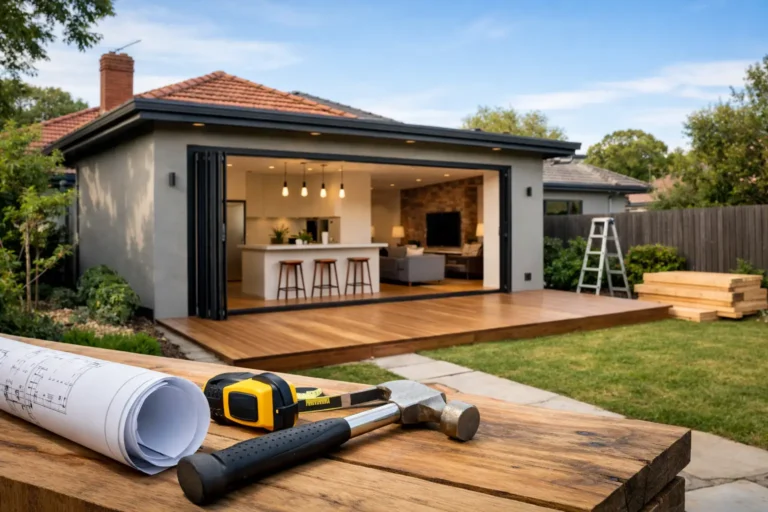
Ground floor additions are often easier to live with and more practical for long-term family use, especially if you want open-plan living, better indoor-outdoor flow or ageing-in-place convenience. They can also suit blocks with enough backyard depth to build into.
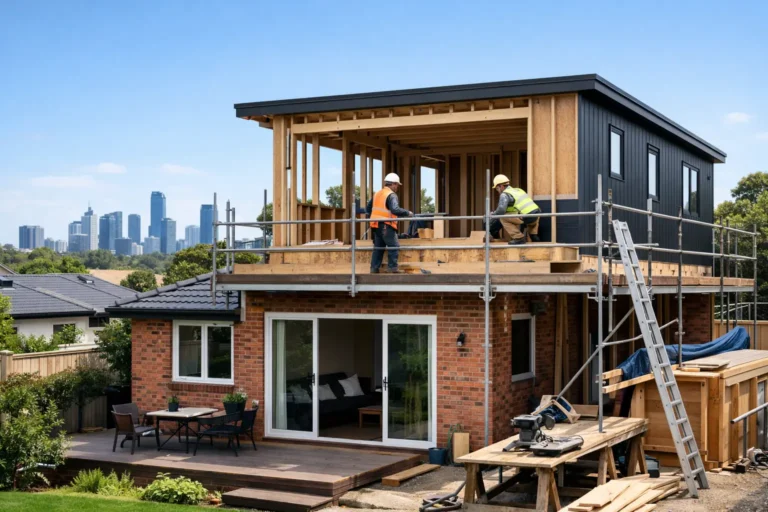
A second-storey extension may preserve more land, but it usually brings its own structural demands and disruption. Ground floor works can still be substantial, of course, but they often make more sense where the goal is to create larger shared spaces rather than extra upstairs bedrooms.
How to budget sensibly from the start
The best first step is to set a realistic total budget, not just a build budget. Leave room for approvals, professional fees and a contingency for unknowns, particularly with older homes.
It also helps to prioritise your must-haves early. If your extension needs a bigger kitchen, an extra bathroom and improved family living space, focus on getting those fundamentals right before adding optional features.
A clear brief saves money. Changes made late in documentation or during construction are one of the fastest ways to increase cost. Good planning does not remove every surprise, but it reduces them.
What a reliable builder should help you understand
A good builder will not throw out a bargain figure just to win your attention. They should explain what is included, what is excluded, and where the project may need further investigation before a firm price is possible.
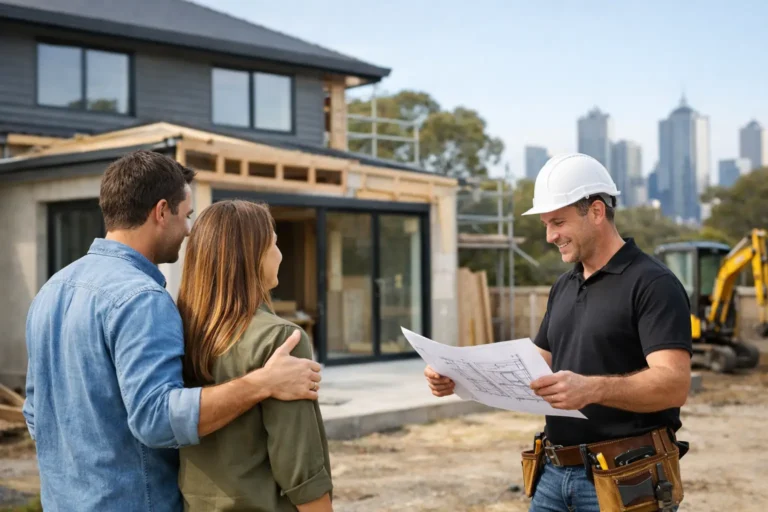
That transparency matters. Homeowners are not just buying materials and labour. They are trusting someone to guide them through approvals, sequencing, site safety, trades and quality control.
If you are building in areas such as Darebin, Banyule, Whittlesea or Hume, local knowledge can also help smooth out council processes, neighbourhood expectations and site-specific challenges that affect time and cost.
When an extension is worth the investment
A ground floor extension makes the most sense when it improves how your home works every day. More natural light, proper family zones, a better kitchen layout, an extra bedroom or a connected living area can add value beyond resale.
For investors and owner-build planners looking at long-term value, the quality of execution matters just as much as the size of the addition. Poorly integrated extensions can feel tacked on. Well-designed, well-built ones tend to improve both liveability and market appeal.
That is why families often choose to extend even when moving is an option. Selling, buying again, paying stamp duty and trying to find a better house in the same area can end up costing more than improving the home you already know.
If you are pricing up a project, treat square metre rates as a starting point only. The smarter approach is to look at your block, your house, your priorities and the standard you want to achieve. A well-planned extension should not just add space – it should make home life easier, more comfortable and better suited to the years ahead.