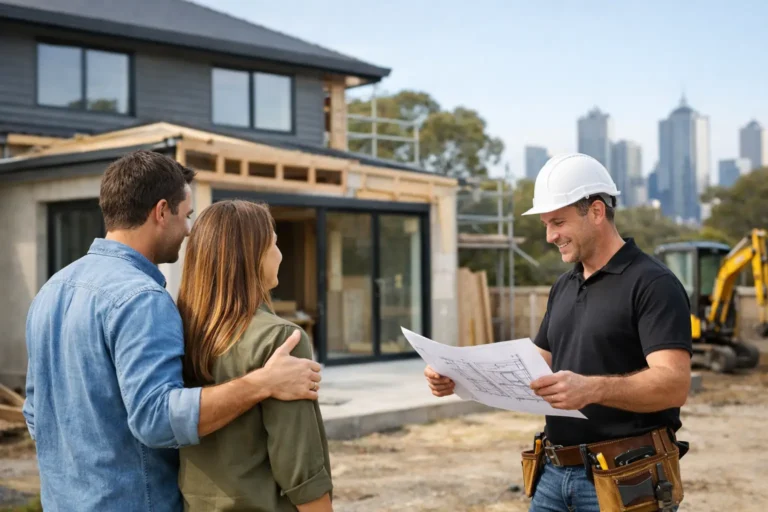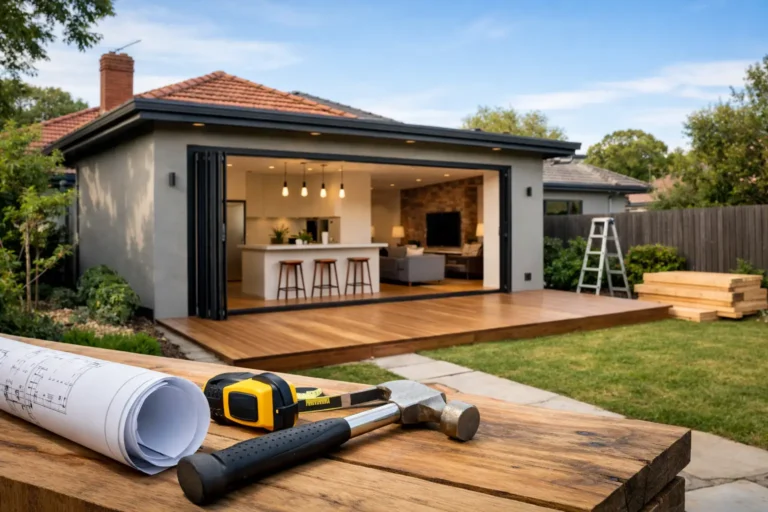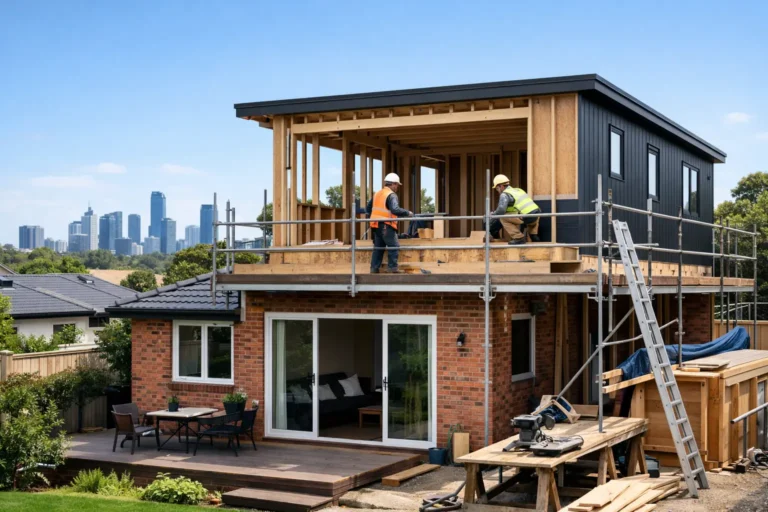
A renovation can feel exciting right up until the moment the real decisions start. Once you are weighing quotes, reviewing plans, and trying to picture how your family will live through weeks or months of building work, the choice of a home renovation builder Melbourne homeowners can rely on becomes the biggest decision in the project.
The right builder does more than price the job. They help you avoid costly surprises, explain what is realistic for your budget, and manage the build in a way that protects both your home and your peace of mind. That matters even more in older Melbourne suburbs, where site conditions, planning controls, and existing structures can quickly change the scope of work.
What a good home renovation builder Melbourne homeowners need actually does
A strong renovation builder is not simply someone who can construct walls, install finishes, or coordinate trades. In a lived-in home, renovation work is about judgment. It means understanding how to connect old and new parts of the house, how to work around structural limits, and how to solve issues that do not show up clearly on paper.
That is especially true for major renovations, extensions, and whole-home updates. You want a builder who can look beyond the drawings and think practically about access, sequencing, safety, materials, and how your family will use the space once the work is complete.
A builder with renovation experience also knows that every house has its own story. Weatherboard homes, brick veneers, post-war homes, and more contemporary properties all come with different challenges. Matching rooflines, levels, finishes, and structural elements takes care and experience. It is not just about making the new work look good on handover day. It is about making it feel like it belonged there all along.
Why renovation experience matters more than a low quote
It is tempting to compare builders by price first. Every family has a budget, and every investor wants the numbers to stack up. But with renovations, the cheapest price can become the most expensive path if the quote misses key details or the builder lacks experience in working with existing homes.
Renovation projects carry more unknowns than new builds. Once work begins, there may be hidden water damage, outdated framing, movement in the structure, or services that need upgrading to meet current standards. An experienced builder will not pretend these risks do not exist. They will talk you through them early and explain where contingencies may be sensible.
That does not mean you should expect vague pricing or open-ended costs. It means the quote should be clear, realistic, and backed by proper understanding. A builder who asks detailed questions, reviews the site carefully, and explains inclusions properly is usually giving you a more dependable starting point than someone who rushes out a cheap figure.
Signs you are speaking with the right builder
When you first meet a builder, the conversation should feel practical and straightforward. You should come away with more clarity, not more confusion. A dependable builder will ask how you live now, what is not working in the current layout, and what you want the renovation to achieve in five or ten years.
That long-term thinking matters. A family adding bedrooms for growing children has different priorities from an owner preparing a property for resale, and both are different again from an investor planning a multi-unit outcome. A good builder adjusts the advice to suit the purpose of the project.
You should also notice how they communicate. Are they honest about what is possible on your block? Do they explain the likely timeline in plain language? Do they point out trade-offs between finishes, cost, and programme? Good builders do not overpromise to win the job. They set expectations properly because trust is built early, not after problems appear.
Questions worth asking before you commit
The best questions are not designed to catch a builder out. They are there to help you understand how they work.
Ask about their experience with renovations similar in size and age to your home. Ask how they manage variations if something unexpected is uncovered. Ask who will oversee the job day to day and how often you will receive updates. Ask whether the quote clearly separates allowances, fixed costs, and items still to be confirmed.
It is also worth asking about timing in a realistic way. Not just when they can start, but what could affect the schedule. Weather, permit timing, supplier lead times, and site access can all have an impact. A builder who speaks honestly about these factors is usually easier to work with than one who gives a fast answer just to sound competitive.
Renovating in Melbourne’s northern areas comes with local factors
In parts of Darebin, Banyule, Whittlesea, and nearby areas, homes can vary widely from street to street. Some blocks are straightforward. Others involve slope, access challenges, overlays, or older structures that need careful handling. Local knowledge can make the process smoother because builders familiar with the area tend to understand the common planning and construction issues before they become delays.
This does not mean every project is complicated. Many are quite manageable with the right preparation. But local experience helps when it comes to understanding neighbourhood character, council expectations, and the practical realities of building in established suburbs where space can be tight and neighbours are close by.
For homeowners, that often translates to better planning, fewer surprises, and a more sensible construction process.
Budget, quality, and timing – the balance that matters
Every renovation involves trade-offs. If you want the highest-end finishes throughout, the budget needs to support that. If you are working to a tighter figure, the builder should help you decide where quality matters most and where simpler selections can still give you a strong result.
This is where honest advice becomes valuable. For example, spending more on structural work, insulation, waterproofing, and core materials is usually wiser than putting all the money into cosmetic upgrades. Beautiful tapware means less if the layout still does not function or the build quality underneath is poor.
Timing also affects cost. Rushed decisions tend to create variations, and late selections can hold up trades or lead to substitute products. A builder who guides the process properly helps protect both programme and budget.
The value of a family-minded building approach
Renovating a home is personal. You are not just changing a building. You are changing the place where your family lives, gathers, rests, and grows. That is why the best renovation experience often comes from working with a builder who understands the personal side as well as the technical side.
A family-owned builder often brings a different mindset to the job. There is usually more care in communication, more accountability, and a stronger focus on doing the work properly rather than simply moving to the next project. That does not replace qualifications or experience, but it does shape the way the project is handled.
For many Melbourne homeowners, that balance matters. They want licensed expertise and reliable construction standards, but they also want to feel heard. They want to know their concerns will be taken seriously and that the people on site respect the fact that this is their home, not just another address.
That is one reason many families look for builders with a grounded reputation and a track record of delivering work with care. For a company like SLK Homes, that family-first approach is part of the service, not an extra.
When a renovation is the right move
Not every homeowner needs to knock down and rebuild. In many cases, a well-planned renovation gives you the space, comfort, and value you need without leaving a location you already love. If the bones of the house are sound and the block suits your long-term plans, renovating can be the smarter path.
It works particularly well when the goal is to improve liveability – opening up living areas, adding bedrooms, modernising kitchens and bathrooms, or creating better connection between indoor and outdoor spaces. It can also make financial sense for owners who want to lift property value while tailoring the home to their needs.
Still, it depends on the house, the budget, and the extent of change required. A good builder will help you weigh those factors honestly rather than pushing one path over another.
Choosing a builder should leave you feeling steadier, not sold to. If the conversations are clear, the pricing is realistic, and the advice feels grounded in experience, you are probably heading in the right direction. A renovation always asks for trust, so it is worth placing that trust with a builder who treats your home with the same care they would expect for their own.