A townhouse project can look straightforward on paper – one block, two or more dwellings, better use of land. In practice, the difference between a smooth build and a costly headache often comes down to who is managing the job from the start. For homeowners and investors comparing townhouse builders Melbourne has to offer, the real question is not just who can build. It is who can guide the project properly, price it honestly and deliver a result that holds its value.
Townhouse developments sit in a different category from a standard new home. They involve more moving parts, tighter planning controls and more pressure on layout, access, services and construction timing. If the builder is not experienced in this type of work, problems tend to show up later – during permits, during site works or after handover when defects and design compromises become expensive to fix.
What makes townhouse building different
A townhouse build asks more from a builder than simply repeating the same construction process across multiple dwellings. Every site has its own planning conditions, slope, access challenges and neighbourhood context. A good outcome depends on how well the builder understands the relationship between design, budget and buildability.
This is where many projects drift off course. A concept may look good in drawings, but once engineering, energy requirements, drainage, overlooking rules and practical construction methods are applied, the original budget can change fast. An experienced townhouse builder will raise those issues early, not once the slab is down and options are limited.
For owners planning to live in one dwelling, sell, or retain the homes as investments, that early clarity matters. The best projects are not always the biggest. They are the ones designed and built with realistic margins, sound workmanship and a layout that suits the market.
How to compare townhouse builders Melbourne property owners are considering
Price gets attention first, but it should never be the only measure. A low quote can hide missing scope, vague allowances or assumptions that leave the owner exposed later. With townhouse work, those gaps can quickly become variations.
Start by looking at whether the builder has genuine experience in multi-unit residential construction, not just custom homes. The skill sets overlap, but townhouse projects require stronger coordination across consultants, trades, approvals and site sequencing. Ask direct questions about recent projects, how they managed delays, and what was included in the contract from day one.
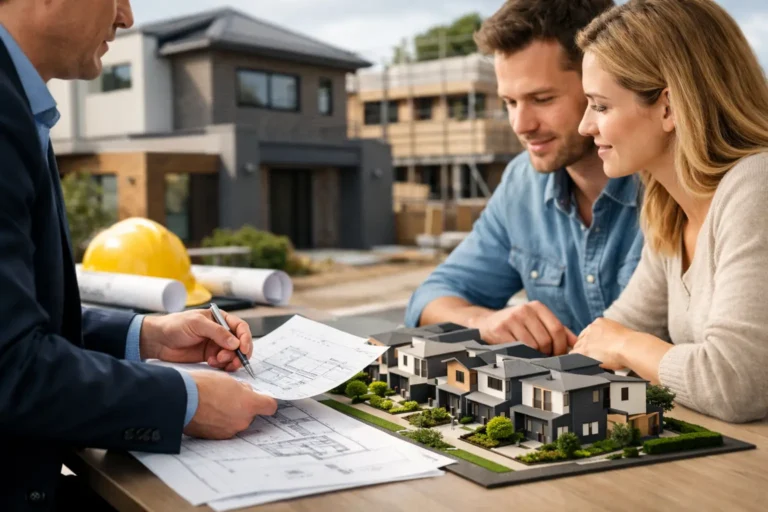
It also helps to understand how involved the builder will be during pre-construction. Some builders only want completed drawings and a permit-ready package. Others contribute practical advice earlier, helping refine plans so the project is easier and more cost-effective to build. That input can protect both time and budget.
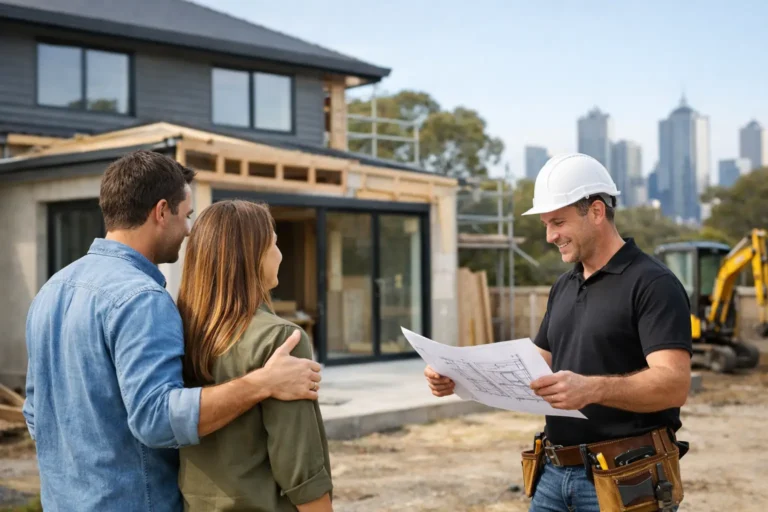
Communication is another deciding factor. Townhouse developments often run for many months, sometimes longer if planning or authority approvals take time. You want a builder who explains issues plainly, keeps records clear and deals with concerns before they become disputes. For most families and smaller developers, peace of mind is not a bonus. It is part of the service.
The right quote should be detailed, not just cheap
A proper quote should tell you what is included, where provisional sums apply, what level of finishes has been allowed for and which site assumptions have been made. If excavation, stormwater upgrades or service connections are unclear, ask for that detail before signing anything.
Transparency matters more than a polished sales pitch. Building costs in Melbourne are shaped by labour, materials, site complexity and compliance requirements. No honest builder can promise that every unknown will disappear. What they can do is identify likely risks early and explain them in plain language.
Local knowledge can save time and stress
Townhouse projects in Melbourne’s northern suburbs often deal with site-specific council expectations, neighbourhood character considerations and access constraints on established streets. A builder who understands how these factors affect buildability can help prevent delays and poor decisions.
That does not mean every project follows the same path. A dual occupancy site in Darebin may have different pressures to a multi-unit development in Whittlesea or Banyule. Local knowledge helps, but it still needs to be matched with careful planning and disciplined site management.
The biggest risks in townhouse developments
Most townhouse problems begin well before construction. Overcommitting on the design, underestimating site works or relying on incomplete cost advice can put a project under pressure from the outset.
One common issue is trying to maximise floor area at the expense of liveability and construction efficiency. Narrow hallways, awkward stair locations, poor storage and difficult roof forms may allow more area on paper, but they do not always improve value. Buyers and tenants notice practical shortcomings quickly. So do trades trying to build around them.
Another risk is weak coordination between consultants and builder. If engineering, architectural details and services are not aligned, site delays and rework become more likely. That slows the programme and increases cost. A capable builder will push for coordination before those mistakes reach the site.
Then there is the temptation to cut quality in less visible areas. Waterproofing, acoustic separation, structural framing and drainage are not the exciting parts of a project, but they are critical in townhouse construction. Saving money there often costs more later.
Good townhouse builders Melbourne clients trust usually focus on buildability first
Buildability is not a buzzword. It is the difference between a design that works in theory and a project that works in real life. Builders who understand townhouse construction look closely at site access, retaining needs, service runs, easements, party walls, material handling and trade sequencing before construction begins.
That approach protects more than the programme. It can improve finish quality, reduce waste and avoid unnecessary variations. It also helps create a safer site, which matters on tighter suburban blocks where neighbours, traffic and limited working space all add pressure.
For owner-builders or first-time developers, this is often the part that gets overlooked. They may spend months focused on design and planning, then assume the builder can simply solve everything later. In reality, the earlier construction thinking is brought in, the more stable the project tends to be.
What a family-focused builder should bring to the process
Townhouse developments are commercial decisions in one sense, but they are still personal projects. They involve family land, financial risk and long-term goals. Some clients are creating space for adult children. Others are downsizing while keeping a foothold in the same suburb. Investors may be relying on the project to perform over many years, not just at settlement.
That is why a grounded, relationship-based approach matters. Owners need a builder who treats the project with care, gives realistic advice and understands that trust is built through steady delivery, not big promises. A family-owned builder with hands-on experience can often offer that balance well – practical guidance, clear accountability and a genuine commitment to getting the job right.
At SLK Homes, that mindset reflects how we approach residential building more broadly. Quality matters, but so does honesty. So does respect for the people behind the project.
Questions worth asking before you commit
Before choosing a builder, ask how they handle documentation, site supervision and changes during construction. Ask what happens if latent site conditions appear. Ask who your main contact will be once the contract is signed.
You should also ask how they approach programming. Townhouse projects can be affected by weather, authority delays and supplier availability, but a good builder should still be able to explain the critical stages and where timing risks usually sit. If the answer is vague, that is worth paying attention to.
Finally, ask how they define quality control. It is easy to promise a high standard. It is more useful to explain how that standard is checked at each stage.
Choosing a townhouse builder is really about choosing how the entire project will be run. The best decision is rarely the loudest offer or the cheapest number. It is the builder who gives you confidence that the homes will be well planned, well built and worth standing behind for years to come.