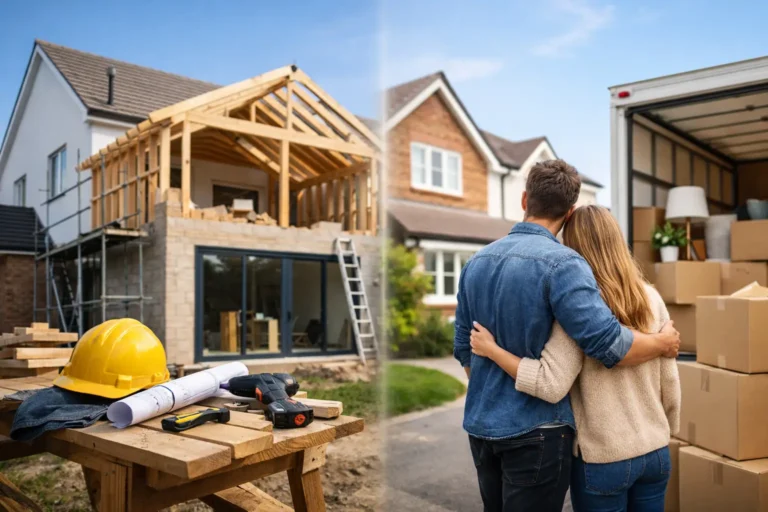
You start noticing it in the everyday moments. The kitchen feels too tight when everyone is home, one bathroom is no longer enough, and the spare room that once worked now feels like a compromise. When families reach that point, the question of extension vs moving house stops being theoretical and becomes a real financial and lifestyle decision.
There is no single right answer. For some households, moving is the cleaner option. For others, extending makes far more sense once you look past the headline costs. What matters is choosing the path that suits your block, your budget, your stage of life and how much disruption your family can realistically handle.
Extension vs moving house: what are you really comparing?
Most people begin by comparing sale prices and build quotes, but that is only part of the picture. You are really comparing two different ways of solving the same problem – needing more space or a better layout.
Moving house gives you the chance to change location, land size, school zone or property type in one step. If your current home is fundamentally wrong for your needs, or the neighbourhood no longer suits your family, moving can be the more practical choice.
An extension keeps you in the area you already know and lets you improve the home around your lifestyle. That can be a strong option when the location still works, the land has potential and the existing house has good bones. In many parts of Melbourne’s north, that combination is more common than people think.
The true cost of moving
Moving often looks simple on paper. Sell your current home, buy another one, and get the extra bedroom or larger living area you need. But the real cost usually stretches well beyond the advertised purchase price.
There are agent fees, marketing costs, conveyancing, removalists and stamp duty on the next property. Then there is the premium attached to buying into a suburb or school catchment you want to stay in. If you are trying to move within the same area because you like your community, shops and commute, you may find yourself paying significantly more just to gain a little extra floor space.
There is also the cost of compromise. A new house may solve one problem while creating others. You might get the second living room but lose the backyard. You might gain a modern kitchen but take on a longer drive to work. Families often discover that moving house is not just a financial step – it can reset routines, friendships, childcare arrangements and day-to-day convenience.
The true cost of an extension
An extension is not automatically the cheaper option, and it should never be sold that way. A well-built extension involves design, engineering, permits, materials and construction expertise. If the work includes structural changes, wet areas or a major reworking of the floor plan, the investment can be substantial.
That said, an extension can deliver better value than moving when you already own a well-located property and only need to solve specific issues. If your home needs another bedroom, a larger kitchen, an open-plan living space or a proper main suite, extending can be more targeted than buying an entirely different house.
The key is understanding what the site can support. Setbacks, overlays, easements, block width and the condition of the existing dwelling all affect what is possible. The right builder will be clear about these limits early, because there is no benefit in designing a dream addition that cannot be approved or built efficiently.
When moving house makes more sense
Sometimes the clearest answer is to move. If your block is too small, the orientation is poor, parking is already difficult and the current layout would still feel awkward after major works, extending may only partly fix the problem.
Moving can also be the better path if you want a completely different lifestyle. Perhaps you need to be closer to family support, want to shift school zones, or are ready for a lower-maintenance property. In those cases, spending heavily on your existing home may not address the real reason you feel stuck.
There are also homes where extension costs escalate quickly. Significant restumping, asbestos issues, ageing services or a layout that requires major demolition can turn a straightforward project into a more complex build. If the numbers start climbing without a clear return in comfort or value, moving deserves serious consideration.
When an extension is the smarter choice
For many growing families, extending is worth strong consideration when the location already suits them. If your children are settled locally, your commute works, and your street feels like home, there is a genuine value in staying put that cannot always be measured in a spreadsheet.
An extension also lets you design around how your family actually lives. Rather than adapting to someone else’s floor plan, you can create a home office where you need it, improve the flow from kitchen to outdoor area, or add bedrooms without sacrificing the parts of the house you already love.
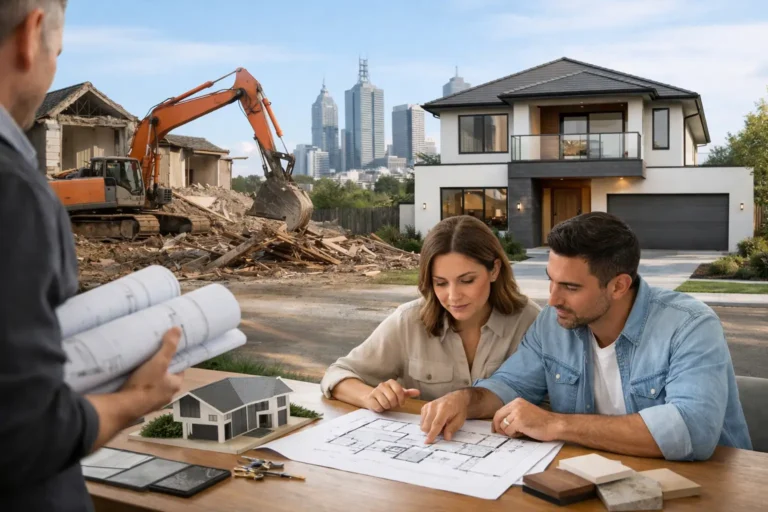
This is where practical design matters. A good extension should not feel like an add-on. It should improve the whole home, not just tack on extra square metres. The best projects bring in light, fix circulation problems and make the original house work better than it did before.
Extension vs moving house: lifestyle matters as much as money
This decision is often framed as a dollars-only exercise, but families know better. Lifestyle matters. Stress matters. Timing matters.
Moving house can be disruptive in a short, intense burst. You deal with inspections, negotiations, settlement dates and the pressure of buying well in a competitive market. Once you are in, the disruption is largely over, but the path to get there can be exhausting.
An extension tends to spread disruption over a longer period. Depending on the scope, you may stay in the home during part of the works or arrange temporary accommodation. There is dust, noise and a temporary loss of normal routine. However, if the outcome is a home tailored to your family in a location you already value, many owners feel that disruption was worthwhile.
The right choice often comes down to the type of stress you would rather manage – the uncertainty of buying and selling, or the process of building.
Questions worth asking before you decide
Before choosing either path, be honest about what is driving the decision. Do you need more room, or do you need a better layout? Is the house the issue, or has the location stopped working for you? Are you planning for the next two years, or the next ten?
It also helps to ask what your budget needs to include beyond the obvious headline figure. For moving, that means transaction costs and likely compromises. For extending, it means proper allowances for approvals, design development and quality construction.
If resale value matters, think carefully about overcapitalising. Not every extension adds equal value, and not every move delivers a better long-term position. A practical family home in the right location with a well-resolved floor plan usually performs better than a home with expensive additions that do not suit the suburb or buyer expectations.
Why early building advice can save time and money
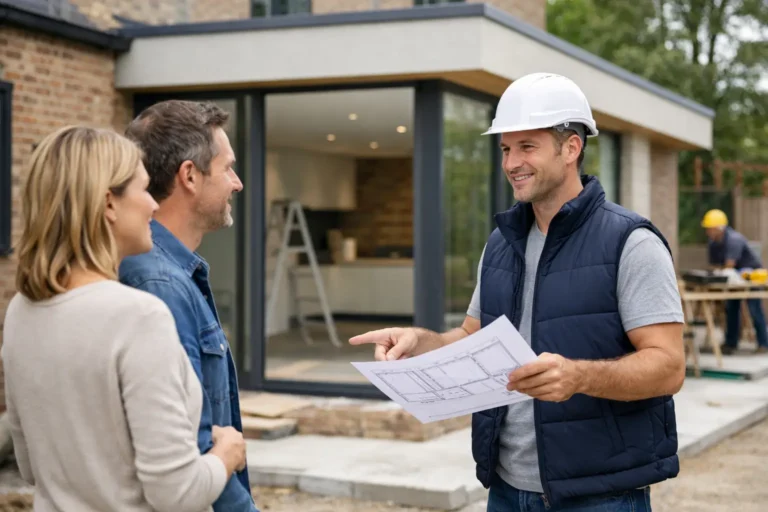
One of the biggest mistakes homeowners make is leaving builder input too late. Early advice can tell you whether your site is suitable, whether your budget is realistic and whether the home can be extended in a way that genuinely improves liveability.
That matters in established Melbourne suburbs where planning controls, block constraints and neighbouring properties can influence the design from day one. An experienced local builder can help you avoid spending money on plans that look good on paper but are difficult or costly to construct.
For families in Melbourne’s northern areas, that practical guidance can make the extension vs moving house decision much clearer. Sometimes the best outcome is an addition that transforms the home you already have. Other times, the smartest choice is to stop forcing a property to be something it is not.
A reliable builder should be comfortable saying both.
There is nothing wrong with outgrowing a home. It usually means life is moving forward. The real goal is not simply to add space or change address, but to make a decision that gives your family more comfort, better function and confidence in what comes next.