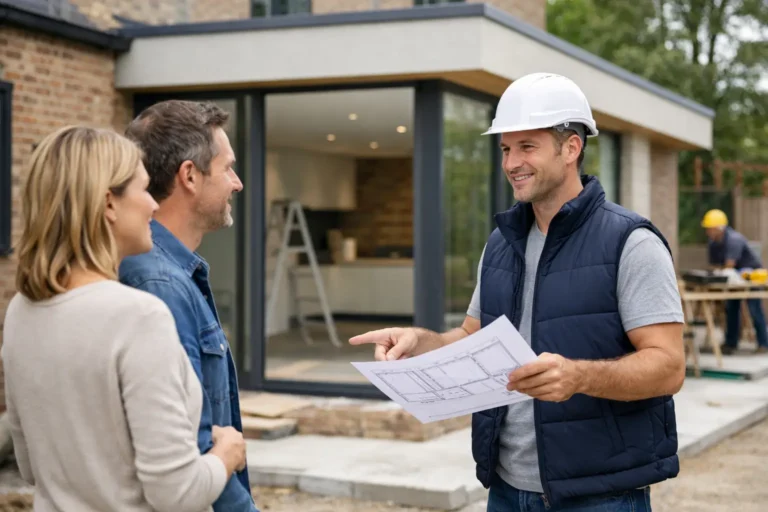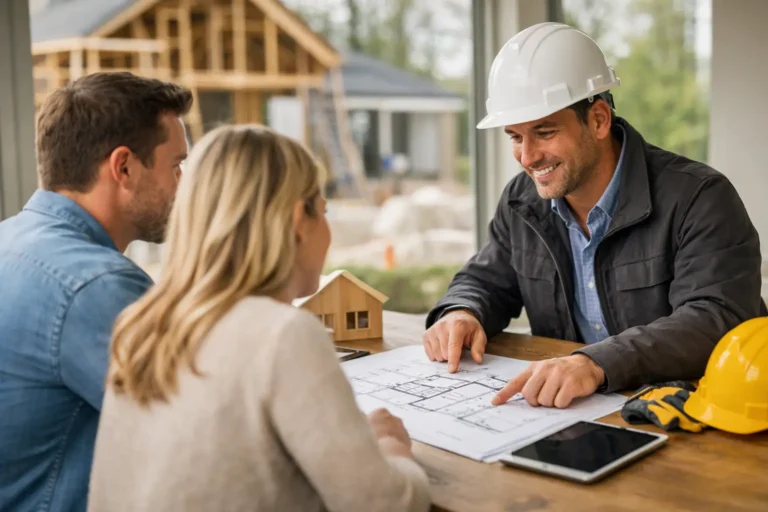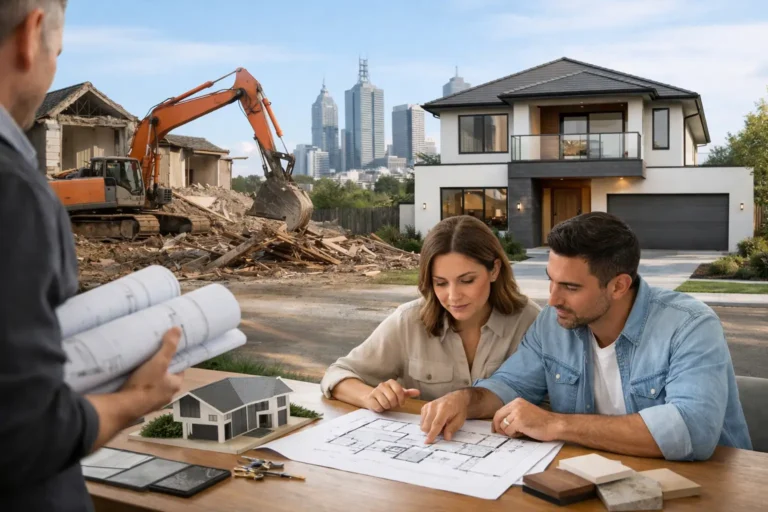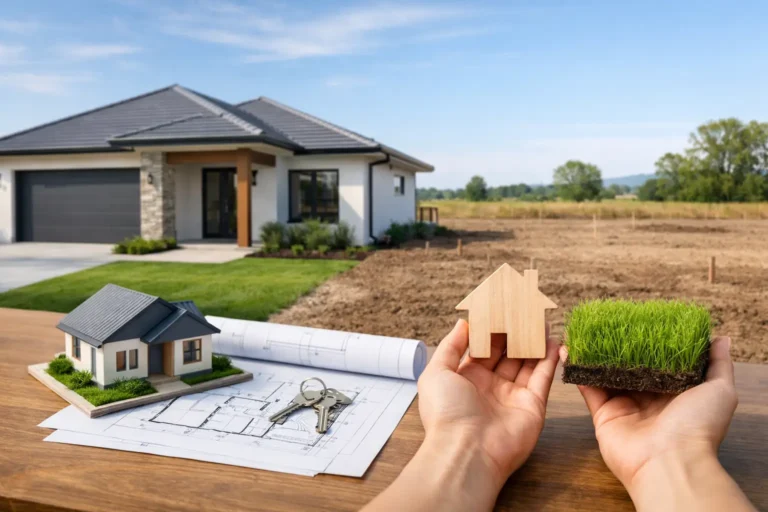
Building or renovating is one of the biggest financial and emotional commitments most families will make, so knowing how to choose a builder matters long before the first slab is poured. The right builder can make the process feel clear and well managed. The wrong one can leave you chasing answers, facing delays and paying for mistakes that should never have happened.
For most homeowners, the challenge is not finding a builder. It is sorting through plenty of polished websites, sharp sales pitches and quotes that are hard to compare fairly. If you are planning a new home, extension, renovation or townhouse project, the decision should come down to more than price alone.
How to choose a builder starts with the right fit
A builder might be highly capable and still be the wrong fit for your project. Some builders are strongest in custom new homes, while others are better suited to renovations or multi-unit work. A renovation to an older home, for example, often involves hidden structural issues, tricky access and the need to work around an occupied home. That requires a different kind of planning than building on a clear block.
Start by asking whether the builder regularly completes projects like yours. Look at the scale, style and complexity of their work, not just the finish in the photos. If you are adding a second storey in an established Melbourne suburb, you want a builder who understands site constraints, neighbour considerations and council expectations, not someone who mainly works on straightforward house-and-land packages.
This is also where local experience can help. In Melbourne’s northern suburbs, block sizes, overlays and planning requirements can vary from one council area to the next. A builder who knows how these issues affect timelines and approvals can often identify problems early, before they become expensive.
Check licences, insurance and who is actually responsible
Trust is important, but it should be backed by formal credentials. Any builder you are considering should hold the right licence for the work they perform and carry appropriate insurance. That is not just a box-ticking exercise. It protects you if something goes wrong and shows the business is operating properly.
It is also worth asking a simple question that many clients forget to ask: who will actually run my job? In some companies, the person who wins your confidence at the first meeting disappears once the contract is signed. Your project may then be handed to a supervisor you have never met.
That does not automatically mean poor service, but you should know how the business works. Ask who your main contact will be, how often you will receive updates and how site decisions are handled. A clear chain of responsibility usually leads to fewer misunderstandings.
Look beyond the quote total
Price matters. Every family and investor has a budget, and a good builder should respect it. But the cheapest quote is not always the best value, especially if it is light on detail or filled with allowances that can shift later.
When comparing quotes, look at what is included and what is excluded. Does the quote clearly cover site works, demolition, permits, fixtures, finishes and any likely structural requirements? Are provisional sums realistic, or do they appear low enough to make the quote look more attractive than it really is?
A detailed quote often signals a more thorough builder. It shows they have taken the time to understand the scope and think through the practical side of delivery. A short quote with broad wording may leave too much room for assumptions.
This is one of the biggest lessons in how to choose a builder – compare transparency, not just totals. A higher quote that is more complete can be safer than a cheaper one that leaves key items unresolved.
Communication is not a soft skill in construction
Many building problems start as communication problems. Calls are not returned. Variations are discussed casually but never documented. Clients assume one thing, the site team assumes another, and tension builds from there.
Pay attention to how the builder communicates from the start. Are they punctual, direct and easy to understand? Do they answer questions clearly without talking around them? Do they explain trade-offs honestly, or just tell you what you want to hear?
A dependable builder should be able to walk you through the process in plain language. That includes approvals, likely timeframes, site access, budget pressure points and what could cause delays. No one can promise a perfect run on every project, especially in renovation work where surprises behind walls are common. What matters is whether the builder is upfront about risks and practical about solutions.
Ask about process, not just past projects
Photos and testimonials are useful, but process is what carries a project from concept to handover. If you want a smoother experience, ask how the builder manages each stage.
Find out how they handle estimating, selections, permits, scheduling and quality checks. Ask when variations are priced, how they are approved and whether there is regular site supervision. If they use trades they have worked with for years, that is often a good sign. Consistent subcontractor relationships can improve workmanship, timing and accountability.
You should also ask how they deal with problems. Every build has pressure points. Materials can be delayed. Wet weather can affect progress. An existing house can reveal structural issues once work begins. The real test is not whether problems occur, but how the builder responds when they do.
References should sound real, not rehearsed
When you speak with past clients, go beyond asking if they were happy. Most people will say yes or no without giving you much to work with. Ask what the builder was like when there was a variation, a delay or an unexpected issue. Ask whether communication stayed steady after the contract was signed. Ask if they would use the same builder again.
If possible, look for feedback from clients with projects similar to yours. A family building an extension while living on site may value different things from an investor developing townhouses. Both opinions matter, but context matters too.
You do not need a builder with a perfect record or glowing praise from every person they have worked for. You are looking for patterns – honesty, consistency, care and follow-through.
Experience matters, but so does attitude
Years in the industry count for something. Builders with strong experience tend to spot risks earlier, estimate more accurately and manage trades with greater confidence. That said, experience alone does not guarantee a good client experience.
You also want a builder who treats your home and budget with respect. That shows up in the smaller details – how carefully they answer questions, whether they pressure you into quick decisions, and whether they speak about quality as a long-term responsibility rather than a sales line.
For family homes in particular, a good builder understands that this is not just a construction project. It is where people will raise children, host relatives and settle into daily life. That perspective often changes the quality of the service.
How to choose a builder without rushing the decision
Many people make this choice under time pressure. A permit is moving forward, finance is approved, or the current house no longer suits the family. Even so, it is worth slowing down enough to compare properly.
Meet with more than one builder. Read the quote closely. Ask awkward questions if you need to. If something feels vague, ask for it in writing. If communication is patchy during the sales stage, it rarely improves once the job is underway.
A builder does not need to be the biggest company or the cheapest option to be the right one. In many cases, the best fit is the one that combines proven experience, honest communication and a clear, realistic plan for your project. That balance is what turns a building job into a result you can live with confidently for years.
For homeowners in Melbourne’s north, where many projects involve updating older homes, extending for growing families or unlocking value through redevelopment, that decision carries real weight. A careful choice at the start can protect your time, your budget and your peace of mind.
If you are unsure where to begin, start with the builder who is willing to be clear before they ask you to commit. That usually tells you a lot about how the rest of the job will be handled.