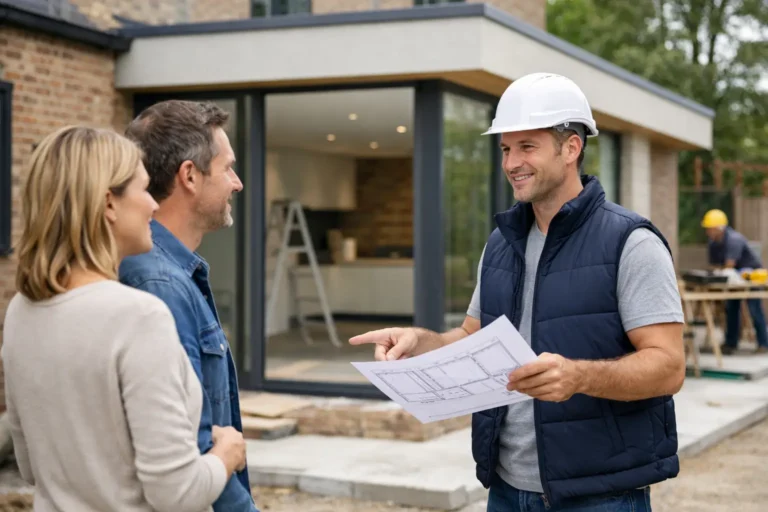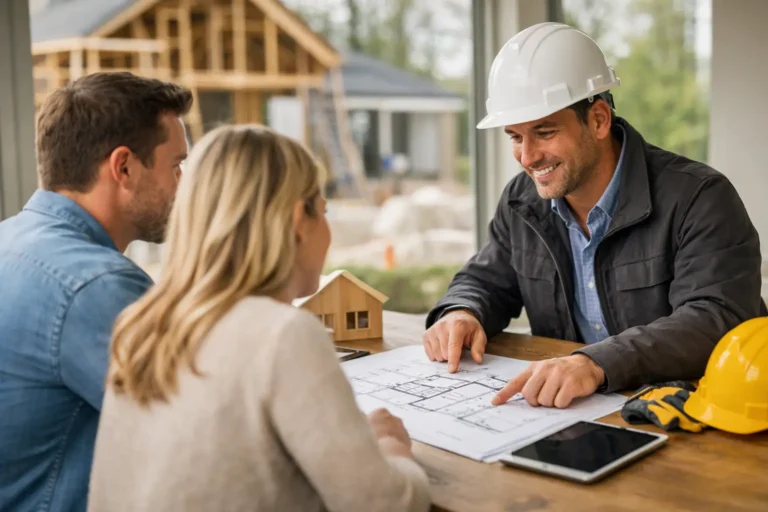
A house extension can solve a real family problem – not enough bedrooms, no room to work from home, a cramped kitchen, or simply a layout that no longer suits the way you live. The challenge is that finding the best builder for extensions is not just about comparing prices. It is about choosing someone who can protect your budget, your timeline and the value of your home.
An extension joins new work to an existing structure, and that makes it different from building on a clear block. There are hidden services, ageing materials, structural considerations and council requirements to manage. A builder who is excellent at one type of project is not always the right fit for this one.
What makes the best builder for extensions?
The best builder for extensions is usually the one with proven experience in occupied residential sites, clear communication and a process that accounts for the unknowns. They should understand how to blend old and new, not just in appearance but in structure, waterproofing, energy performance and day-to-day practicality.
That matters because extension work often uncovers surprises. Old drainage lines might be in the wrong place. Existing floors may not be level. The roofline that looked simple on paper may need extra engineering once opened up. A capable builder does not pretend these issues never happen. They explain the likely risks early and have a sensible process for dealing with them.
Good extension builders are also realistic. If your budget and brief do not match, they should say so. If your block shape, overlays or access will affect cost, they should point it out before the contract stage. Straight answers at the start tend to save stress later.
Experience matters, but the right experience matters more
When homeowners ask how to find the best builder for extensions, the first instinct is often to look for years in business. That is useful, but it is only part of the picture. You want a builder with direct experience in projects similar to yours.
A second-storey addition is very different from extending out the back. A heritage-influenced home in an established street has different challenges to a modern brick veneer in a growth corridor. If your family plans to remain living in the home during works, that adds another layer of site management and safety.
Ask what types of extensions the builder completes most often. Ask how they deal with matching existing materials, protecting the lived-in parts of the home and staging works to reduce disruption. Their answers should sound practical, not rehearsed.
The early signs of a builder you can trust
Trust is built long before construction starts. During the first few conversations, pay attention to how the builder communicates. Are they listening to how you want to live, or pushing a one-size-fits-all solution? Are they talking clearly about approvals, costs and timelines, or staying vague until later?
A trustworthy builder will usually ask good questions about your goals. Do you need more space for a growing family? Are you extending to improve resale value? Are you trying to avoid moving costs and stay in a suburb you love? Those details shape the right solution.
They should also be transparent about what is included and what is not. A low figure can look attractive until you realise it excludes site costs, demolition, engineering updates, service relocations or finishes you assumed were standard. Clarity is more valuable than a cheap starting number.
Price matters, but cheap can become expensive
Every family has a budget, and any responsible builder should respect it. But the cheapest quote is rarely the safest choice for an extension. If one price sits well below the others, there is usually a reason.
Sometimes the scope has been interpreted differently. Sometimes key items have been left out. Sometimes the builder is pricing to win the job and relying on variations later. None of those situations helps the homeowner.
A better approach is to compare quotes for completeness. Look at allowances, exclusions, site assumptions and finish levels. Ask whether the builder has inspected the property thoroughly enough to understand access, drainage, demolition and integration with the existing home. Extensions are full of details, and details cost money if missed.
Licensing, insurance and process are not paperwork only
It is easy to treat licences and insurance as a box-ticking exercise, but they tell you a lot about how seriously a builder runs their business. Residential building work should be carried out by properly licensed professionals with suitable insurance and clear contracts. That is basic protection for your family and your asset.
The builder’s process matters just as much. Ask what happens from concept through to handover. Who coordinates consultants? How are variations handled? What is the communication routine during construction? Who is your point of contact when questions come up?
A sound process gives structure to what can otherwise feel overwhelming. It helps keep the project moving and reduces the chance of confusion between design intent, approvals and actual site work.
Why local knowledge helps on extension projects
Local experience can make a real difference, especially in established areas where blocks, homes and planning controls vary street by street. In Melbourne’s northern suburbs, for example, access can be tight, older homes can hide surprises and council expectations can differ depending on the property.
A builder who regularly works in areas such as Darebin, Banyule, Whittlesea or Nillumbik may have a better feel for common planning issues, site conditions and construction styles. That does not guarantee a smooth job, but it can shorten the learning curve and improve decision-making early.
Questions worth asking before you sign
A good extension builder should welcome sensible questions. Ask who will supervise the site. Ask how often you will receive updates. Ask what happens if hidden conditions are found after demolition. Ask how the builder manages quality checks at key stages.
It is also fair to ask about timing. Not just the estimated build duration, but when the builder can realistically start and what might cause delays. Weather, approvals, material lead times and client changes can all affect the program. Honest builders talk about these risks upfront rather than promising a perfect run.
If you are planning to live in the home during works, ask whether that is practical for your project. In some cases it works well. In others, especially where kitchens, bathrooms or major structural sections are involved, a temporary move can be the better option.
The value of design and build alignment
Extensions run better when the design and construction sides are aligned from the start. That does not mean every project must follow the same model, but it does mean the builder should be involved early enough to provide practical input on buildability and cost.
Plans can look excellent on paper and still create budget pressure or site complications if they are not grounded in construction reality. A builder with extension experience can flag issues such as complex roof junctions, expensive structural spans or layouts that look generous but waste floor area.
This practical input often leads to better outcomes, not bigger compromises. Sometimes a small change in window placement, roof form or room arrangement can save money and simplify the build without reducing the result for the family living there.
Red flags homeowners should not ignore
If a builder avoids written detail, is hard to reach before the contract, or seems dismissive of your questions, that usually does not improve once work begins. The same goes for vague allowances, rushed quoting or pressure to sign quickly.
Be cautious if they cannot clearly explain previous extension work, or if they speak confidently about building but lightly about approvals, structural tie-ins or managing existing conditions. Extensions require patience and care. Overconfidence can be as risky as inexperience.
One more warning sign is a builder who talks only about finishes. Benchtops, tapware and paint colours matter, but extension success is often decided by less glamorous work – footings, framing, weatherproofing, insulation, drainage and coordination. A beautiful room is not much use if the underlying build quality is poor.
Choosing a builder for peace of mind, not just construction
Most people extend because they want to stay in a home and area that already matters to them. They are not buying a product off a shelf. They are reshaping the place where family life happens. That is why the best builder for extensions is usually the one who brings both technical skill and steady communication.
You want a builder who respects the fact that this is your home first and a project second. Someone who can guide the process, be upfront about trade-offs and deliver work that feels properly considered. At SLK Homes, that family-first approach is central to how residential building should be done.
Take your time with the decision. Ask clear questions, compare carefully and choose the builder who gives you confidence for the parts you can see and the parts you cannot. A well-planned extension should add space, comfort and value, but just as importantly, it should let you move forward knowing your home is in safe hands.