A block in the right suburb can look like a smart buy on paper. Then you notice the slope, the setback rules, the orientation, or the gap between the display home price and what it really costs to build something that suits your family. That is why house and land packages deserve a closer look before you sign anything.
For many buyers, they offer a practical path into a new home with fewer moving parts than buying land first and sorting out a builder later. For others, the appeal is speed, clearer budgeting, and the comfort of knowing the home design has already been matched to the block. But like most building decisions, the value is not in the label. It sits in the details.
How house and land packages actually work
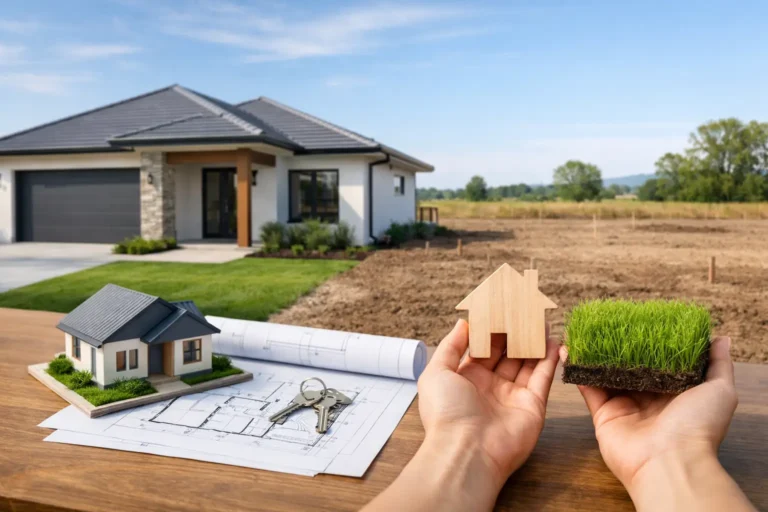
A house and land package usually combines two separate contracts. One is for the land, which you buy from the developer or landowner. The other is for the home, which you contract with the builder to construct on that block. They are marketed together because the design has been prepared to suit the site, local guidelines, and target budget.
That structure can be helpful. It gives buyers a more realistic sense of what they are committing to overall, rather than trying to piece together land costs, design fees, site works and construction allowances on the run. It can also reduce some of the guesswork around whether a floorplan will fit the block properly.
Still, a package is not automatically simple. Two contracts mean two legal documents, two timelines and a need to be clear on what is included in the building price. If the marketing material says one thing but the contract says another, the contract is what counts.
Why buyers are drawn to house and land packages
The biggest attraction is clarity. Families want to know whether they can afford the whole project, not just the first step. Investors want to understand likely yield, holding costs and build time without too many surprises. A well-structured package helps with that.
There is also a design advantage. When the home has been selected for that specific lot, you are less likely to run into expensive redesigns later. The garage may already be positioned correctly for the frontage. The setbacks may already be resolved. The living areas may have been planned to make better use of natural light.
For buyers in Melbourne’s northern growth areas, this can matter more than people expect. Estates and infill sites often come with planning controls, easements, crossover limitations or neighbourhood character expectations that affect what can actually be built. A package that has been thought through properly can save time and stress.
The other reason people consider this path is efficiency. Instead of sourcing land, finding a designer, comparing builders and working through concept changes from scratch, much of the early coordination has been done. That does not remove the need for due diligence, but it can reduce decision fatigue.
Where the real value sits
The cheapest advertised package is not always the best value. A more useful question is what you are truly getting for the total spend.
Sometimes a low starting price excludes essential items such as flooring, driveway, fencing, landscaping, higher ceilings, cooling, site costs or developer requirements. By the time those are added, the figure can look very different. In other cases, a slightly higher package includes more complete specifications and a design that fits your needs better from day one.
Good value usually comes from a combination of sensible design, realistic allowances and a builder who understands construction beyond the sales brochure. Third-generation building knowledge still matters because site conditions, compliance and workmanship do not show up nicely in a render, but they affect your budget and your experience in a very real way.
What to check before you commit
The land should be assessed on more than size alone. Look at fall, frontage, depth, orientation and any restrictions on what you can build. A narrow lot might suit a double-storey design well, but it may limit flexibility if your needs change later. A block with significant slope can work beautifully, though it may increase site and engineering costs.
The home design also needs to match your life, not just the marketing image. A growing family may need better storage, a practical laundry layout and room separation more than an oversized entry. An investor may care more about a durable specification, efficient floorplan and broad tenant appeal than design extras that do not lift return.
Ask for a clear inclusions list. You should know what is standard, what is an upgrade and what is excluded entirely. If there is an allowance for site works, ask how it was calculated and what happens if actual costs exceed it. If the package includes façade options, heating, cooling or appliances, make sure the specifications are written down rather than discussed casually.
Finance should also be considered early. Because land and construction are usually contracted separately, lending can work differently from an established home purchase. A broker or lender with construction experience can explain progress payments, valuation issues and timeframes in plain terms.
The trade-offs buyers often miss
House and land packages can be a strong option, but they are not as flexible as a fully custom process from the outset. If you want a highly tailored design, unusual materials or a floorplan built around a very specific lifestyle, a package may feel limiting unless the builder allows meaningful changes.
Location is another trade-off. Many packages are offered in newer estates where land supply exists, and that may not suit buyers wanting an established street close to existing schools, transport or family networks. In parts of Melbourne’s north, however, there are also opportunities on smaller or redevelopment-style sites where local building knowledge becomes especially valuable.
Timing can be mixed. A package can speed up early decisions, but land title dates, developer approvals and permit requirements can still affect the overall program. Buyers should be wary of promises that sound too neat. Good builders give realistic timeframes, not perfect ones.
Choosing the right builder matters as much as the package
A package only works well when the builder behind it is dependable. That means proper licensing, clear communication, transparent documentation and a genuine understanding of residential construction, not just sales process.
Ask who will manage your build and how variations are handled. Find out whether the builder is comfortable explaining site costs, engineering, energy requirements and council or estate guidelines in straightforward language. If answers feel vague early on, the build process is unlikely to feel clearer later.
This is where a family-run builder with practical local experience can make a real difference. In Melbourne’s northern council areas such as Whittlesea, Hume, Banyule or Darebin, knowledge of neighbourhood conditions, planning expectations and common site issues can help avoid costly missteps. At SLK Homes, that practical, relationship-based approach is central to how projects are delivered.
Who house and land packages suit best
They often suit first home buyers who want clearer budgeting, growing families who need a modern layout without starting from scratch, and investors looking for a cleaner path to a new-build asset. They can also suit buyers who value a balance between choice and guidance.
They are less ideal for people who want complete design freedom from the first sketch or who are buying a very challenging site that requires a fully bespoke response. In those cases, a custom design-and-build pathway may be the better fit.
The key is not whether packages are good or bad. It is whether the package has been prepared honestly, priced realistically and backed by a builder who treats the project with care.
A new home is not just a transaction. It is where family life happens, where routines settle, and where long-term value is either protected or chipped away by shortcuts. If you are considering house and land packages, take the time to look past the headline price and ask how the block, the design and the builder work together. That is usually where the smartest decision becomes clear.